

Category Archives: Where’d the water go

  It was 11 August 2021 when thermometers at the Floridia monitoring station operated by the Sicilian Agrometeorological Information Service (SIAS) recorded a temperature of 48.8°C, a value that would be officially certified several years later by the World Meteorological Organization (WMO) as the highest temperature ever recorded in Europe. The record attracted the attention of the European mainstream press, but it may not last … Continue reading Seventy-Five Years of Climate Anomalies, Water Crises and Drought: The Data from 1951 to 2025 »
È l’11 agosto 2021 quando presso la stazione del Servizio Informativo Agrometeorologico Siciliano (SIAS) di Floridia, i termometri fissano la temperatura a 48,8 gradi, un valore che qualche anno dopo sarà ufficialmente omologato dal Wmo, l’organizzazione meteorologica mondiale, come il record assoluto di temperatura massima mai registrata in Europa. Un primato che ha attirato l’attenzione della stampa generalista europea ma che potrebbe non durare a … Continue reading Settantacinque anni di anomalie climatiche, crisi idriche e siccità: i dati dal 1951 al 2025 »

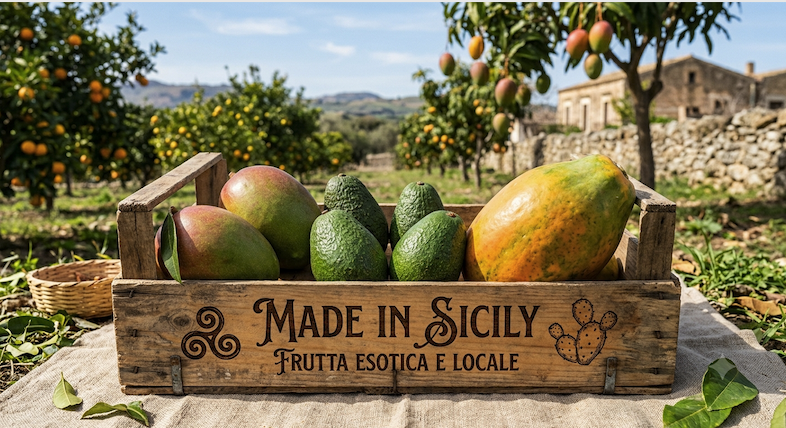
In Sicilia il cambiamento climatico non si vede soltanto negli invasi vuoti, nelle autobotti o nelle ordinanze dei sindaci. Si vede anche nei campi. Lungo alcune fasce costiere, dove per generazioni hanno dominato agrumi, olivi, viti e seminativi, sono comparsi mango, avocado, papaya, lime, litchi, anona. Non è folklore esotico, ma il nuovo spazio occupato da piante sensibili al gelo invernale, in passato molto frequente … Continue reading La sete tropicale della Sicilia: le nuove colture “esotiche” in rapporto col territorio »

In Sicily, climate change is visible not only in empty reservoirs, water tankers and mayoral emergency orders. It can also be seen in the fields. Along certain coastal areas, where citrus fruit, olive trees, vineyards and arable crops dominated for generations, mangoes, avocados, papayas, limes, lychees and custard apples have begun to appear. This is not exotic folklore, but rather the new space being occupied … Continue reading Sicily’s Tropical Thirst: New “Exotic” Crops and Their Relationship with the Land »

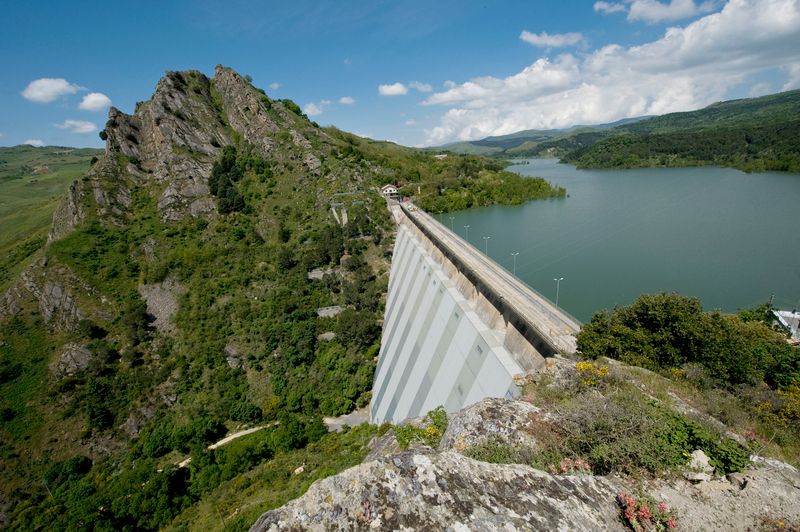
  Sicily’s system of artificial reservoirs was developed primarily after the Second World War to address one of the main challenges posed by the Mediterranean climate: the marked time lag between the availability of water resources, concentrated in the autumn and winter months, and agricultural and domestic demand, which reaches its peak in spring and summer. This need was further intensified by the characteristics of … Continue reading Dams, Reservoirs and Basins: How the Solution to Water Scarcity Became a Problem »

Il sistema degli invasi artificiali siciliani è stato realizzato principalmente nel secondo dopoguerra per far fronte a una delle principali criticità del clima mediterraneo: la marcata sfasatura temporale tra la disponibilità della risorsa idrica, concentrata nei mesi autunnali e invernali, e i fabbisogni agricoli e civili, che raggiungono il loro massimo in primavera ed estate. Tale esigenza era ulteriormente accentuata dalle caratteristiche della rete idrografica … Continue reading Dighe, invasi, bacini: come la soluzione alla scarsità d’acqua si è trasformata in problema »

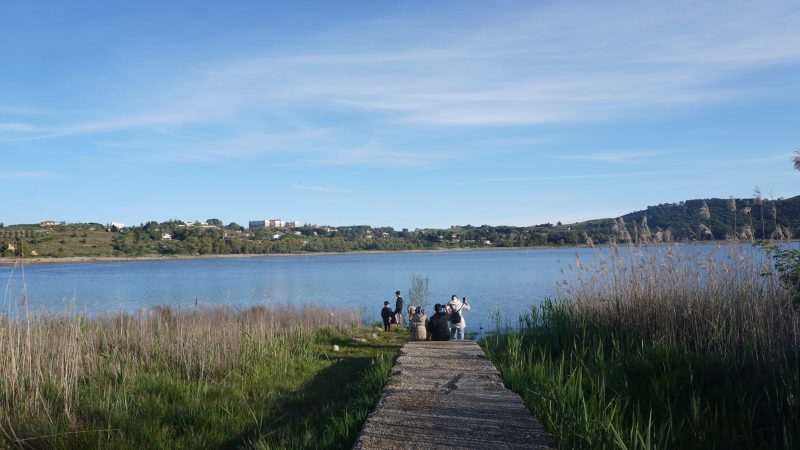
  To reach Lake Pergusa from the centre of Enna, passengers must board enormous red buses bearing the SAIS logo. In the absence of a public urban transport company, the historic private Sicilian operator is responsible for moving approximately 27,000 residents every day across Enna’s winding municipal territory. Dressed in jackets and ties, the drivers travel through a landscape of descents and climbs reaching elevations … Continue reading Water in Sicily: The Story of Pergusa, the Island’s “thermometer” »

  Per arrivare al lago di Pergusa dal centro di Enna bisogna accomodarsi su giganteschi bus rossi a marchio SAIS. In assenza di un’azienda pubblica che si occupi di trasporto urbano, spetta alla storica compagnia privata siciliana il compito di far muovere ogni giorno circa ventisettemila abitanti lungo il tortuoso territorio comunale ennese. Gli autisti, in giacca e cravatta, attraversano un paesaggio di discese e … Continue reading Acqua in Sicilia: la storia di Pergusa, il “termometro” dell’Isola »

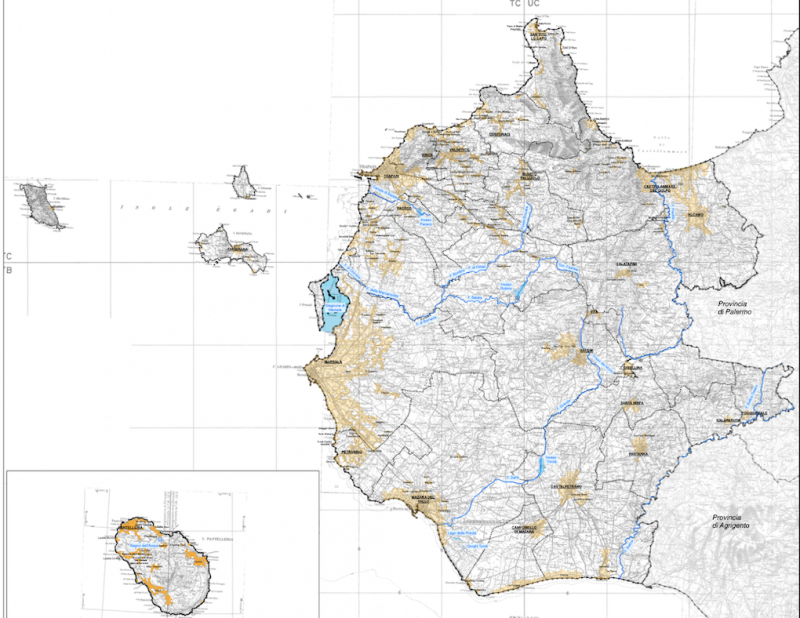
The water supply system in the Trapani area faces a serious problem regarding data acquisition, as the available data is both scarce and imprecise. The report accompanying the area plan, approved in 2002 and updated in 2021, notes, for instance, that “wells, springs, and the supply lines feeding municipal reservoirs currently lack functional volumetric and flow meters, tools essential for an accurate water balance and … Continue reading How much water is lost in Trapani »

  Il sistema di approvvigionamento idrico trapanese presenta un serio problema nel reperimento di dati, carenti e approssimativi. Nella relazione che accompagna il piano d’ambito, approvato nel 2002 e aggiornato nel 2021, si riporta per esempio che “i pozzi e le sorgenti, nonché gli adduttori ai serbatoi comunali non sono oggi dotati di misuratori volumetrici e di portata funzionanti, indispensabili per un corretto bilancio idrico … Continue reading Acqua: quanta se ne perde a Trapani »